 Amchova, Kotolova, & Ruda-Kucerova, Regulatory Toxicology and Pharmacology. 73(3): 914-922.
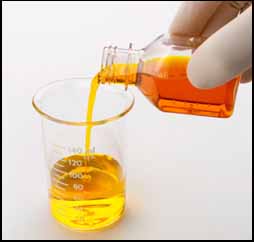
An effort has begun to begin re-evaluating food additives that had not been studied later than 2009, In this review, the evidence from human and animal studies on the possible effects of food colorings on health is reviewed.
Parents have long suspected that some of these food colorings impact their children’s behavior, but put together, these studies paint a truly alarming picture. A word of caution – be aware that most of these studies were done on animals, due to it being unethical to do this sort of study on humans. Thus, in at least some of the studies, the amounts used for short-term studies may be more than a reasonable human would ingest over a short term. Nevertheless, such animal studies have often been used to help scientists guess at the possible effects of long-term or life-long exposure to a toxin.
Tartrazine (FD&C Yellow 5, E102)
- It can activate estrogen receptors
- It can increase the risk of liver disease in elderly women.
- It can damage human white blood cells and bind to DNA.
- It may trigger cancer.
- It can bind to human albumin, blocking its function.
- It induced neurotoxicity
- It induced learning & memory deficits.
Quinoline Yellow (E104)
- This yellow dye is banned in the US because it causes cancer
- It can cause contact dermatitis
- It can damage the DNA
- It can bind to human albumin.
Sunset Yellow (FD&C Yellow 6, E110)
- It acts as a “foreign estrogen.”
- It can damage red blood cells.
- It can reduce the size of testes (in rodents).
- It can change the lipid profile (cholesterol).
- It can bind to human albumin.
NOTE: All three of the above yellow colorings were detected in almost 600 restaurants in Teheran, Iran. They were being used as cheap substitutes for the more expensive saffron in rice.
Carmoisine (E122, Azorubine)
- This red dye is banned in the US and Canada
- It can bind to human albumin.
Ponceau (E124)
- It is banned in the US and several other countries for causing cancer.
- The “no observed effect” level caused cognitive deficits in male rats.
- It can affect DNA “migration” in several organs.
Erythrosine (FD&C Red 3, E127)
- It can affect the thyroid gland (contains iodine).
- It increases TRH release from pituitary gland, and induces thyroid tumors.
- May be toxic to human white blood cells.
- May be useful in future allergy drug development.
Allura Red (FD&C Red 40, E129)
- It affects nuclear DNA in mice organs.
- It may cause allergic reactions such as asthma & urticaria, especially with other colors.
- It can bind to human serum albumin.
Patent Blue (E131)
- No DNA damage or reproductive toxicity.
- It can reduce hemoglobin and red blood cell counts after chronic exposure.
- It is absorbed by shaved skin and orally.
- It can cause eye sensitivity used in cosmetic or eye makeup.
Indigo Carmine (FD&C Blue 2, E132)
- It does not show genotoxicity, developmental toxicity or effect on blood parameters.
- It showed damage to animal testes, but the dye solution may not have been pure.
- It has been documented by case report to cause atrioventricular block (problem with the heart’s electrical system).
- It has been documented to cause one case of severe low blood pressure.
Brilliant Blue (FD&C Blue 1, E133)
- It may cause hypersensitive reactions in some people.
- It may be toxic to human blood cells.
- It is absorbed by shaved skin and oral mucosa into the blood.
- It can cause foveal thinning during eye surgery.
- It may have anti-inflammatory and anti-depressant effects.
Green S (E142)
- It is not used in the US.
- There is limited information on its safety.
Brown HT (E155)
- It is not used in the US.
Brilliant Black (E151)
- It is not used in the US.
- It damages the genes of human white blood cells.
- It damages the growing cells in the root tip of Vicia faba roots.
- It has certain possibilities as a future drug.