Category Archives: Food Dyes

Bastaki 2017: Estimated Daily Intake and Safety of FD&C Food Colour Additives in the US Population

This gallery contains 2 photos.

Food Additives & Contaminants, Part A, Chemistry, Analysis, Control, Exposure & Risk Assessment. 2017 March 23. Using complex statistics and a database of product  labels, rather than direct measurements, an  “estimate of daily intake” of the amounts of synthetic food … Continue reading →

More Galleries | Leave a comment

Pestana 2010: Safety of ingestion of yellow tartrazine by double-blind placebo contgrolled challenge in 26 atopic adults.

This gallery contains 2 photos.

Allergologie et Immunopathologia (Madrid). 2010 May-June; 38 (3): 142-6. In this study, styling itself as a “gold standard, double-blind placebo controlled, crossed-over challenge,” 26 adults with atopy (skin or asthma allergy) were tested for tartrazine (Yellow 5) sensitivity and had … Continue reading →

More Galleries | Leave a comment

Rafati 2017: Using vitamin E to prevent the impairment in behavioral test, cell loss and dendrite changes in medial prefrontal cortex induced by tartrazine in rats

This gallery contains 2 photos.

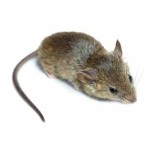
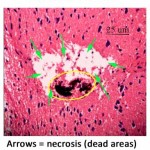
Acta Histochemica. 2017 March; 119(2): 172-180 The authors used a rat model to answer the following questions: Does exposure to tartrazine (Yellow 5)  influence the rats’ memory and learning? Does the tartrazine exposure have any effects on the volume of … Continue reading →

More Galleries | Leave a comment

Schapowal 1995: Phenomenology, pathogenesis, diagnosis and treatment of aspirin-sensitive rhinosinusitis.

This gallery contains 2 photos.

Acta Otorhinolaryngologica Belgica. 1995;49(3): 235-50. In this review of aspirin-sensitive rhinosinusitis, it is described as a non-allergic, non-infectious perennial eosinophilic rhinitis starting in middle age and rarely seen in children. It may also been seen in atopic patients who have … Continue reading →

More Galleries | Leave a comment

Sasaki 2002: The comet assay with 8 mouse organs: Results with 39 currently used food additives

This gallery contains 3 photos.

Mutation Research. 2002 Aug 26; 519(1-2): 103-19. Sasaki et al, in Japan, tested 39 common food additives — dyes, color fixatives, preservatives, antioxidants, fungicides, and sweeteners.   They gave each additive separately by mouth to groups of four male mice, and … Continue reading →

More Galleries | Leave a comment

Dixit 2013: All India survey for analyses of colors in sweets and savories: Exposure risk in Indian population

This gallery contains 2 photos.

Journal of Food Science. 2013 April; 78(4): T642-7.  Dixit, Khanna & Das This is the first national study on food additive use in India, collecting data on “sweets and savories.” Their dye extraction and identification technique (using pure wool strands) … Continue reading →

More Galleries | Leave a comment

Breakey 1997: The role of diet and behaviour in childhood

This gallery contains 1 photo.

Journal of Paediatrics and Child Health. 1997 June; 33(3): 190-4. The author summarizes and discusses the research from the 1970s up until the 1990s.  She emphasizes that studies often only can deal with a single item but in actuality there … Continue reading →

More Galleries | Leave a comment

Schnoll 2003: Nutrition in the treatment of Attention-Deficit Hyperactivity Disorder: A neglected but important aspect

This gallery contains 2 photos.

Applied Psychophysiology and Biofeedback, 2003 March; 28(1): 63-75. In this paper, Schnoll reviews the research on food additives, refined sugars, food allergies, and fatty acid metabolism as it relates to ADHD. QUOTE:  “Although clinicians and researchers alike acknowledge the complex … Continue reading →

More Galleries | Leave a comment

Konikowska 2012: The influence of components of diet on the symptoms of ADHD in children

This gallery contains 2 photos.

Roczniki Panstwowego Zakladu Higieny. 2012;63(2): 127-34 In this review of ADHD treatments, Konikowska describes hyperactivity as a genetic trait connected to abnormal brain maturation, likely related to less activity by neurotransmitters dopamine and norepinephrine.  While stimulant medications effectively increase the … Continue reading →

More Galleries | Leave a comment

Umezawa 2012: Effect of fetal exposure to titanium dioxide nanoparticle on brain development – brain region information

This gallery contains 2 photos.

The Journal of Toxicological Sciences, Vol. 37, No. 6, 1247-1252. 2012 By studying the brains of mice whose mothers were exposed to titanium dioxide (TiO2) nanoparticles during pregnancy, the researchers determined changes in gene expression affecting several parts of the … Continue reading →

More Galleries | Leave a comment

Kubo-Irie 2016: The transfer of titanium dioxide nanoparticles from the host plant to butterfly larvae through a food chain

This gallery contains 3 photos.

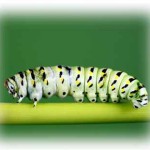
Scientific Reports, 2016 March 31;6:23819 The purpose of this study was to better  understand how the widely used titanium dioxide may impact the environment.  The researchers used swallowtail butterfly larvae which were hatched on plants growing in water containing titanium … Continue reading →

More Galleries | Leave a comment

Mansouri 2016: Histopathological effects following short-term coexposure of Cyprinus carpio to nanoparticles of TiO2 and CuO

This gallery contains 2 photos.

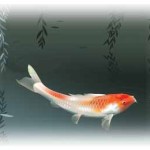
Environmental Monitoring and Assessment. (2016) 188:575 This Swiss study looks at the effect of two kinds of nanoparticles, separately and combined.  Both copper oxide (CuO) and titanium dioxide (TiO2) ultrafine particles (nanoparticles or NP) are widely used in many things … Continue reading →

More Galleries | Leave a comment

Jovanovic 2016: Food web effects of titanium dioxide nanoparticles in an outdoor freshwater mesocosm experiment.

This gallery contains 2 photos.

Nanotoxicology. 2016 Sep;10(7):902-12. In this study, 25 µg/L and 250 µg/L of the food color additive titanium dioxide (TiO2) nanoparticles were added to outdoor mesocosms* placed in a lake.  The control mesocosm was not treated with any TiO2. * A … Continue reading →

More Galleries | Leave a comment

Ze 2014: Neurotoxicity and gene-expressed profile in brain-injured mice caused by exposure to titanium dioxide nanoparticles

This gallery contains 3 photos.

Journal of Biomedical Materials Research Part A. 2014 Feb; 102(2): 470-8. Titanium dioxide is a naturally occurring white powder approved by the FDA.  It is used as a white coloring in many products we use every day such as toothpaste, … Continue reading →

More Galleries | Leave a comment

El-Wahab 2013: Toxic effects of some synthetic food colorants and/or flavor additives on male rats

This gallery contains 1 photo.

Toxicology and Industrial Health, 2013.  March; 29(2): 224-32.  doi: 10.1177/0748233711433935. El-Wahab & Moram The researchers wanted to evaluate the toxic effect of some synthetic colorants and/or flavors on body organs and metabolism in rats.   They used 10 groups of 10 … Continue reading →

More Galleries | Leave a comment

Wuthrich 1981: Acetylsalicylic acid and food additive intolerance in urticaria, bronchial asthma and rhinopathy

This gallery contains 2 photos.

Schweizerische medizinische Wochenschrift (Swiss medical weekly), 1981. Sep 26; 111(39): 1445-50 Wuthrich wrote that adverse reactions to aspirin, additives such as tartrazine (Yellow 5) and the preservative benzoate are seen all over the world.  It is described as an intolerance … Continue reading →

More Galleries | Leave a comment

Spector 1979: Aspirin and concomitant idiosyncrasies in adult asthmatic patients

This gallery contains 1 photo.

Journal of Allergy & Clinical Immunology, 1979 Dec;64(6 Pt 1):500-6 In this study, a positive response was defined as a 20% fall in forced expiratory volume in 1 second  (FEV1) for up to 4 hours.  The researchers tested several hundred … Continue reading →

More Galleries | Leave a comment

Ishihara 1979: Experimental investigation on the pathogenesis of tartrazine-induced asthma

This gallery contains 2 photos.

Tohoku Journal of Experimental Medicine, 1979. Nov; 129(3): 303-9. In this study on guinea pigs, the researchers showed that the dye Yellow 5 potentiates asthmatic reactions to other broncho-constrictors. In other words, the dye may not cause an asthma attack … Continue reading →

More Galleries | Leave a comment

Goldenring 1980: Effects of continuous gastric infusion of food dyes on developing rat pups.

This gallery contains 2 photos.

Life Sciences. 1980 Nov 7;27(20):1897-904.  Goldenring, Wool, Shaywitz, Batter, Cohen, Young, & Teicher In this study, some rats were treated with 6-OHDA and some were treated with placebo.  In each of these groups, some were given food dyes and some were given placebo, resulting in … Continue reading →

More Galleries | Leave a comment

Saxena 2015: Food Color Induced Hepatotoxicity in Swiss Albino Rats, Rattus norvegicus

This gallery contains 3 photos.

Toxicology International. 2015 Jan-Apr; 22(1): 152–157. This study was done to see if the common food colors tartrazine (Yellow 5), metanil yellow (a non-permitted color often used illegally) and sunset yellow (Yellow 6) may play a part in liver disease. … Continue reading →

More Galleries | Leave a comment

Corder 1995: Aspirin, salicylate, sulfite and tartrazine induced bronchoconstriction. Safe doses and case definition in epidemiological studies

This gallery contains 2 photos.

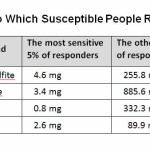
Journal of Clinical Epidemiology, 1995. Oct;48(10):1269-75, Corder & Buckley Corder estimated safe doses to use for epidemiological studies by studying reactions of patients in an allergy clinic. He said that reactions to the four compounds listed in the table are common, … Continue reading →

More Galleries | Leave a comment

Eagle 2014: ADHD impacted by sulfotransferase (SULT1A) inhibition from artificial food colors and plant-based foods

This gallery contains 2 photos.

Physiology & Behavior, 135 (2014), 174-179. SULT1A inhibitors in foods, including natural substances and artificial food colors, have a role in ADHD that can both worsen or improve symptoms. … SULT1A inhibition can influence brain catecholamines through the intermediary of … Continue reading →

More Galleries | Leave a comment

Neuman 1978: The danger of “yellow dyes” (tartrazine) to allergic subjects

This gallery contains 1 photo.

Clinical Allergy. 1978 Jan;8(1): 65-8. In an Israeli hospital, Neuman et al tested the effect of 50 mg of tartrazine (Yellow 5) on 97 patients with a variety of allergic disorders and 25 with non-allergic rhinitis.  First, all patients were … Continue reading →

More Galleries | Leave a comment

New FDA Data Show High Levels of Dyes in Brand-name Foods

This gallery contains 4 photos.

Little Debbie Swiss Rolls Use Yellow, Red, and Blue Dyes to Make ‘Chocolate’ Cake Reprinted from article published by the Center for Science in the Public Interest, July 18, 2016 Little Debbie Swiss Rolls have a combined 32 milligrams of … Continue reading →

More Galleries | Leave a comment

Ceserani 1978: Tartrazine and prostaglandin-system

This gallery contains 2 photos.

Prostaglandins and Medicine, 1978 Dec;1(6):499-505 Ceserani, Colombo, Robuschi, & Bianco The authors discuss the bronchoconstriction caused by tartrazine (Yellow 5) in people who are aspirin-sensitive, as well as its effect on the prostaglandin system of guinea pig lungs.  They found that the dye … Continue reading →

More Galleries | Leave a comment

Lockey 1977: Hypersensitivity to tartrazine (FD&C Yellow No. 5) and other dyes and additives present in foods and pharmaceutical products

This gallery contains 1 photo.

Annals of Allergy, 1977. Mar;38(3): 206-10 In this paper, Lockey describes the battery of tests he had developed to determine sensitivity to food additives and analgesics, which he says can make symptoms of asthma and chronic urticaria (hives) worse. MedLine … Continue reading →

More Galleries | Leave a comment

Abrishami 1977: Aspirin intolerance–a review

This gallery contains 1 photo.

Annals of Allergy 1977 Jul;39(1):28-37 This is an early review of the combination of asthma, nasal pathology and intolerance to aspirin as a “unique syndrome”  with a tendency for diabetes as well as a prolongation of bleeding time. Abrishami mentions … Continue reading →

More Galleries | Leave a comment

Stenius 1976: Hypersensitivity to acetylsalicylic acid (ASA) and tartrazine in patients with asthma

This gallery contains 2 photos.

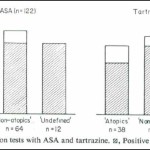
Clinical Allergy. 1976 Mar;6(2): 119-29. In this study, Stenius and Lemola used far less of tartrazine (Yellow 5) and aspirin than what a person may normally ingest, and had to overcome chronic medication as well (see NOTES below). Nevertheless, they … Continue reading →

More Galleries | Leave a comment

Settipane 1975: Aspirin intolerance. III. Subtypes, familial occurrence, and cross-reactivity with tartrazine

This gallery contains 3 photos.

Journal of Allergy and Clinical Immunology, 1975. Sep;56(3): 215-21 The authors presented their evidence that in aspirin intolerance there are two mechanisms – one causing bronchospasm (breathing difficulty such as in asthma) and the other causing urticaria (hives). They also … Continue reading →

More Galleries | Leave a comment

Vojdani 2015: Immune reactivity to food coloring

This gallery contains 1 photo.

Alternative Therapies in Health and Medicine, 2015. 21 Suppl 1:52-62. During the past 50 years, the amount of synthetic dye used in foods has increased by 500%.  At the same time, there has been an alarming rise in behavioral problems … Continue reading →

More Galleries | Leave a comment

Batada 2016: Prevalence of Artificial Food Colors in Grocery Store Products Marketed to Children

This gallery contains 1 photo.

Clinical Pediatrics, 2016 Oct; 55(12): 1113-1119. In this study, 810 products commonly marketed to children and found in a local grocery store were evaluated.  43.2% of them contained artificial food colors (AFC), mostly Red 40, Blue 1, Yellow 5, and … Continue reading →

More Galleries | Leave a comment

Malakar 2014: Minding the greens – Role of dietary salicylates in common behavioural health conditions

This gallery contains 1 photo.

Acta Alimentaria, 43(2), 344-359. QUOTE:  “Given that it is now well-known that autistic patients tend to be PST-deficient, causal link between a low-salicylate diet and the mitigation of symptom-severity seems a rather plausible hypothesis.” QUOTE:  “It is quite apparent from … Continue reading →

More Galleries | Leave a comment

Stevens 2015: Amounts of artificial food dyes and added sugars in foods and sweets commonly consumed by children

This gallery contains 1 photo.

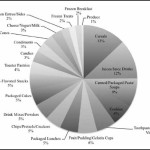
Clinical Pediatrics, 2015 Apr;54(4):309-21, e-published April 24, 2014 Numerous foods and candies were purchased from local stores and processed to measure the amount of food dyes actually in them. Several comprehensive tables provide the details, but below is a sample: Some … Continue reading →

More Galleries | Leave a comment

Stevens 2014: Amounts of artificial food colors in commonly consumed beverages and potential behavioral implications for consumption in children

This gallery contains 1 photo.

Clinical Pediatrics, 2014. Feb; 53(2): 133-40. The amount of food dyes certified over the years has increased more than 5-fold since 1950 (12 mg/capita/day) to 2012 (68 mg/capita/day).  Studies that used 50 mg or more of food dyes showed a … Continue reading →

More Galleries | Leave a comment

Stevenson 2014: Research review: the role of diet in the treatment of attention-deficit/hyperactivity disorder–an appraisal of the evidence on efficacy and recommendations on the design of future studies.

This gallery contains 1 photo.

Journal of Child Psychology & Psychiatry, 2014 May;55(5):416-27. The author compares 3 kinds of studies for treatment of ADHD – restricted elimination diets (RED), artificial food colour elimination (AFCE), and essential fatty acid (e.g. fish oil) supplements (SFFA).  He concludes … Continue reading →

More Galleries | Leave a comment

Verlaet 2014: Nutrition, immunological mechanisms and dietary immunomodulation in ADHD.

This gallery contains 1 photo.

European Child & Adolescent Psychiatry, 2014 Jul;23(7):519-29. Verlaet discusses the common causes of GI problems, asthma, eczema, ear infections, and ADHD – involving both genes, immunity, and inflammation.  An immune imbalance can be related to food provoking ADHD-like behavior.  Food … Continue reading →

More Galleries | Leave a comment

Bell 2013: A comparison of daily consumption of artificial dye-containing foods by American children and adults

This gallery contains 1 photo.

Eastern Michigan University Master’s Theses. 2013. Bell counted number of exposures to food dye, not the actual amounts of dye,  consumed, and she found that children are exposed to food dyes at least twice as much as adults.  She also … Continue reading →

More Galleries | Leave a comment

Ceyhan 2013: Effects of maternally exposed coloring food additives on receptor expressions related to learning and memory in rats.

This gallery contains 3 photos.

Food and Chemical Toxicology, 2013 Jun;56:145-8. Ceyhan, Gultekin, Doguc, & Kulac In a study of rats, the authors found that exposing them to food dyes before birth changed the expression of certain receptors when they grew up.  The particular receptors (NMDAR and nAChR) … Continue reading →

More Galleries | Leave a comment

Doguc 2013: Effects of maternally exposed colouring food additives on cognitive performance in rats

This gallery contains 1 photo.

Toxicology and Industrial Health, 2013. Aug; 29(7): 616-23.  Doguc, Ceyhan, Ozturk & Gultekin In this study, pregnant rats were given the ADI (Acceptable Daily Intake) amounts of the following food dyes by mouth, continuing to do so after the babies … Continue reading →

More Galleries | Leave a comment

Sonuga-Barke 2013: Nonpharmacological Interventions for ADHD: Systematic Review and Meta-Analyses of Randomized Controlled Trials of Dietary and Psychological Treatments

This gallery contains 2 photos.

American Journal of Psychiatry, 2013.  March. 170(3): 275-89. This paper is a review of dietary and psychological treatments for ADHD. QUOTE (Conclusion):  “Free fatty acid supplementation and artificial food color exclusions appear to have beneficial effects on ADHD symptoms, although … Continue reading →

More Galleries | Leave a comment

Stevens 2013: Mechanisms of behavioral, atopic, and other reactions to artificial food colors in children

This gallery contains 2 photos.

Nutrition Review, 2013 May;71(5):268-81. Stevens reviews the research on mechanisms by which food dyes and common foods may cause behavioral changes in children with and without ADHD.  The three potential mechanisms are toxicological, antinutritional, and hypersensitivity. Suggestions for future studies … Continue reading →

More Galleries | Leave a comment

Arnold 2012: Artificial food colors and attention-deficit/hyperactivity symptoms: Conclusions to dye for

This gallery contains 2 photos.

Neurotherapeutics. 2012 Jul;9(3):599-609. Arnold reviews the history of the effects of artificial food colors (AFC) on ADHD and the testimony to the 2011 FDA Food Advisory Committee. Arnold discusses possible biological mechanisms such as the effects of food dyes on … Continue reading →

More Galleries | Leave a comment

Weiss 2012: Synthetic Food Colors and Neurobehavioral Hazards: The View from Environmental Health Research

This gallery contains 3 photos.

Environmental Health Perspectives, 2012 Jan;120(1):1-5. Dr. Weiss examines the basis of the FDA’s position on food dyes, the decision of the Food Advisory Committee, and the reasons that this is an environmental health issue He points out that they limited … Continue reading →
More Galleries | Leave a comment

Kamel 2011: The Potential Health Hazard of Tartrazine and Levels of Hyperactivity, Anxiety-Like Symptoms, Depression and Anti-social behaviour in Rats

This gallery contains 2 photos.

Journal of American Science, 2011; 7 (6): 1211-1218. This paper from Egypt describes a double-blind controlled study on rats to determine the behavioral effects of long-term exposure to various doses of tartrazine (E102, Yellow 5) provided in the drinking water … Continue reading →

More Galleries | Leave a comment

Stevens 2011: Dietary sensitivities and ADHD symptoms: thirty-five years of research

This gallery contains 2 photos.

Clinical Pediatrics (Phila), 2011. Apr; 50(4): 279-93. In their review of the literature, Stevens et al conclude that the evidence indicates that a diet free of food dyes is appropriate for “children who have not responded satisfactorily to conventional treatment, … Continue reading →

More Galleries | Leave a comment

Prescrire International 2009: Artificial food colouring and hyperactivity symptoms in children

This gallery contains 2 photos.

Prescrire International, 2009. Oct; 18(103): 215 (no author listed) In a health assessment of artificial food dyes, Prescrire International, a non-profit organization providing information and continuing education for healthcare professionals, considers the hypothesis that artificial food dyes worsen hyperactivity symptoms … Continue reading →

More Galleries | Leave a comment

McCann 2007: Food additives and hyperactive behaviour in 3-year-old and 8/9-year-old children in the community: a randomised, double-blinded, placebo-controlled trial

This gallery contains 1 photo.

Lancet, September 6, 2007 As a followup to the earlier Bateman (2004) study, the authors retested 153  toddlers as well as 144 elementary school (8/9 years old) children from the general population.   They were briefly put on a dye-free … Continue reading →

More Galleries | Leave a comment

Husain 2006: Estimates of dietary exposure of children to artificial food colours in Kuwait

This gallery contains 1 photo.

Food Additives & Contaminants, 2006. Mar; 23(3): 245-51. Husain evaluated the amount of food dyes consumed by children in 58 schools in Kuwait, and found that the amounts of four of the colors were 4 to 8 times above the … Continue reading →

More Galleries | Leave a comment

Inomata 2006: Multiple chemical sensitivities following intolerance to azo dye in sweets in a 5-year-old girl

This gallery contains 2 photos.

Allergology International, 2006. Jun; 55(2):203-5. This is a case report about a 5-year-old girl in Japan with multiple recurrent problems:  urticaria (hives), angioedema (swelling), headaches, dyspnea (shortness of breath), loss of consciousness, and abdominal pain.  Her symptoms were made worse … Continue reading →

More Galleries | Leave a comment

Lau 2006: Synergistic Interactions Between Commonly Used Food Additives in a Developmental Neurotoxicity Test

This gallery contains 3 photos.

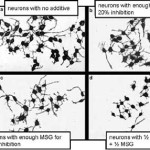
Toxicological Sciences. 2006 Mar; 90(1):178-87. This is one of the few studies examining and comparing the neurotoxic activity of food additives alone and in combination.   After determining how much of each additive reduces neurite development by 20%, Lau combined pairs … Continue reading →
More Galleries | Leave a comment

Bateman 2004: The effects of a double blind, placebo controlled, artificial food colourings and benzoate preservative challenge on hyperactivity in a general population sample of preschool children

This gallery contains 1 photo.

Archives of Disease in Childhood. 2004 Jun;89(6):506-11. The authors put 277  3-year-old children from the general population on a diet without artificial food dyes or benzoate preservatives for a week, and then challenged them at various times with a drink … Continue reading →

More Galleries | Leave a comment

Schab 2004: Do artificial food colors promote hyperactivity in children with hyperactive syndromes? A meta-analysis of double-blind placebo-controlled trials

This gallery contains 2 photos.

Journal of Developmental and Behavioral Pediatrics, 2004 Dec;25(6):423-34. Searching 10 databases for double-blind placebo-controlled trials on the effects of artificial food dyes, Schab and Trinh found 15 that met their criteria. QUOTE:  “Our meta-analysis supports the hypothesis that AFCs (artificial … Continue reading →
More Galleries | Leave a comment

Dengate 2002: Controlled trial of cumulative behavioural effects of a common bread preservative

This gallery contains 2 photos.

Journal of Paediatrics and Child Health, 2002. Aug;38(4):373-6.  Dengate & Ruben In Australia, 27 children whose behavior had improved on the Royal Prince Alfred Hospital diet were enrolled in a double-blind placebo-controlled test of the bread preservative calcium propionate (preservative … Continue reading →
More Galleries | Leave a comment

Reyes 1996: Effect of organic synthetic food colours on mitochondrial respiration

This gallery contains 2 photos.

Food Additives and Contaminants, 1996. Jan;13(1):5-11 In this lab study, 11 artificial food dyes – not all of them used in the US — were tested to determine their effect on the mitochondria of rat liver and kidney. NOTE:  Mitochondria … Continue reading →

More Galleries | Leave a comment

Rowe 1994: Synthetic Food Coloring and Behavior: A Dose Response Effect in a Double-Blind, Placebo-Controlled, Repeated-Measures Study

This gallery contains 1 photo.

Journal of Pediatrics, November 1994, Vol. 135, pp.691-8 150 of 200 children [75%] improved on an open trial of a diet free of synthetic food coloring, and deteriorated upon introduction of foods containing synthetic colorings. 34 other “clear” or “suspected” … Continue reading →

More Galleries | Leave a comment

Egger 1992: Effect of diet treatment on enuresis in children with migraine or hyperkinetic behavior

This gallery contains 1 photo.

Clinical Pediatrics (Phila) 1992 May;31(5):302-7. 21 children with migraine and/or hyperkinetic behavior disorder also had daytime or nighttime enuresis (wetting).  Use of an oligoantigenic (few-foods) diet controlled their migraine and/or hyperkinesis, and for 76% of them the diet also stopped … Continue reading →

More Galleries | Leave a comment

Pollock 1990: Effect of artificial food colours on childhood behaviour

This gallery contains 2 photos.

Pollock & Warner, Archives of Disease in Childhood, 1990.  Jan;65(1):74-7, Heart and Lung Institute, Brompton Hospital, London. Pollock did a double-blind placebo-controlled challenge study on 19 children who had improved previously on an additive-free diet.   He didn’t use any additives … Continue reading →

More Galleries | Leave a comment

Ward 1990: The influence of the chemical additive tartrazine on the zinc status of hyperactive children: A double-blind placebo-controlled study

This gallery contains 2 photos.

Journal of Nutritional Medicine; 1 (1). 1990. 51-58. Ward first studied the zinc status in various tissues (blood, hair, saliva, etc) in 20 hyperactive boys compared to 20 non-hyperactive boys.  Then, in a double-blind placebo-controlled study of 10 hyperactive boys … Continue reading →
More Galleries | Leave a comment

Egger 1989: Oligoantigenic diet treatment of children with epilepsy and migraine

This gallery contains 1 photo.

Journal of Pediatrics, 1989. Jan;114(1):51-8. Egger, Carter, Soothill, & Wilson Egger put 45 children with epilepsy and recurrent headaches, abdominal symptoms, or hyperactivity on an oligoantigenic (few foods) diet.   36 of them — 80% — improved. QUOTE:  “Headaches, abdominal pains, … Continue reading →

More Galleries | Leave a comment

David 1987: Reactions to dietary tartrazine

This gallery contains 2 photos.

Archives of Disease in Childhood, 1987. Feb;62(2):119-22. In a double-blind study, David challenged 24 of his patients who had been using diet for ADHD with benzoic acid (a preservative) and a large dose of coloring — 250 mg of Yellow … Continue reading →

More Galleries | Leave a comment