This gallery contains 1 photo.
For those who may be wondering about the lack of newly posted studies on here over the past few weeks, I just want to let you know I did not drop out of sight …. exactly. I have found a … Continue reading
This gallery contains 1 photo.
For those who may be wondering about the lack of newly posted studies on here over the past few weeks, I just want to let you know I did not drop out of sight …. exactly. I have found a … Continue reading

This gallery contains 3 photos.
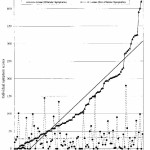
Annales Academiae Medicae Stetinensis, 1998;44:297-314 Deficiencies of magnesium, copper, zinc, calcium, and iron occur more in children with ADHD, and magnesium deficiency is the most frequent. Starobrat-Hermelin studied a group of 110 hyperactive children who also had a variety … Continue reading
This gallery contains 3 photos.
Journal of Nutritional & Environmental Medicine, Vol.7, No.4 Dec 1997 pp.359-366 Bennett & Brostoff About 75% of persistent young offenders have behaviors linked to food sensitivity and nutrition problems; only 18% of young non-offenders have such problems. MedLine || Full Text … Continue reading
This gallery contains 2 photos.
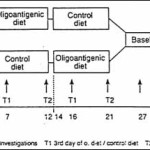
European Child & Adolescent Psychiatry, 1997. Jun;6(2):88-95. Fig. 1 Study design Schmidt compared the effectiveness of an oligoantigenic (few foods) diet with Ritalin for hyperactive disruptive children (today called conduct disorder). 44% responded to Ritalin while 24% responded equally well … Continue reading

This gallery contains 3 photos.
European Journal of Pediatrics, 1997. Jul;156(7):557-61. Uhlig carried out EEG brain mapping on 15 children with food-induced ADHD, both when they were on their diet and when they had been given provoking foods. Consuming the provoking foods caused a significant … Continue reading

This gallery contains 2 photos.
Food Additives and Contaminants, 1996. Jan;13(1):5-11 In this lab study, 11 artificial food dyes – not all of them used in the US — were tested to determine their effect on the mitochondria of rat liver and kidney. NOTE: Mitochondria … Continue reading

This gallery contains 2 photos.
Annals of Allergy, May 1994, Vol. 72, pp. 462-8. Boris, Mandel 73% of 26 children with ADHD responded favorably to a diet eliminating reactive foods and artificial colors. 16 of the improved children were given a double blind challenge with … Continue reading

This gallery contains 1 photo.
Journal of Pediatrics, November 1994, Vol. 135, pp.691-8 150 of 200 children [75%] improved on an open trial of a diet free of synthetic food coloring, and deteriorated upon introduction of foods containing synthetic colorings. 34 other “clear” or “suspected” … Continue reading

This gallery contains 1 photo.
Archives of Disease in Childhood, November 1993, Vol. 69 (5), pp.564-8 Carter, Urbanowicz, Hemsley, & Taylor 59 of 78 children (75.6%) referred for “hyperactive behavior” improved on an open trial of an elimination diet. 19 of them were studied in a placebo-controlled … Continue reading

This gallery contains 1 photo.
Clinical Pediatrics (Phila) 1992 May;31(5):302-7. 21 children with migraine and/or hyperkinetic behavior disorder also had daytime or nighttime enuresis (wetting). Use of an oligoantigenic (few-foods) diet controlled their migraine and/or hyperkinesis, and for 76% of them the diet also stopped … Continue reading

This gallery contains 2 photos.
Pediatria Medica e Chirurgica 1992 Jan-Feb;14(1):39-42 The author describes two cases of reactions to the food additives tartrazine (Yellow 5) and benzoates involving mainly the central nervous system (headache, migraine, overactivity, concentration and learning difficulties, depression) and joints (arthralgias), confirmed … Continue reading

This gallery contains 2 photos.
Journal of Applied Nutrition, November 1, 1991, Vol. 43. In a review of diet changes made in 813 prisons in California, implementation of “nutrient dense diets” resulted in “significantly improved conduct, intelligence, and/or academic performance” Full Text || Get Password

This gallery contains 2 photos.
Pollock & Warner, Archives of Disease in Childhood, 1990. Jan;65(1):74-7, Heart and Lung Institute, Brompton Hospital, London. Pollock did a double-blind placebo-controlled challenge study on 19 children who had improved previously on an additive-free diet. He didn’t use any additives … Continue reading

This gallery contains 2 photos.
Proceedings of the Nutrition Society of Australia, 1990 pg. 233. Sarantinos studied 13 children, 4-14 years old, who had been at least 6 weeks on a diet free of synthetic food dyes as part of their treatment for ADHD. The … Continue reading

This gallery contains 2 photos.
Journal of Nutritional Medicine; 1 (1). 1990. 51-58. Ward first studied the zinc status in various tissues (blood, hair, saliva, etc) in 20 hyperactive boys compared to 20 non-hyperactive boys. Then, in a double-blind placebo-controlled study of 10 hyperactive boys … Continue reading

This gallery contains 1 photo.
Journal of Pediatrics, 1989. Jan;114(1):51-8. Egger, Carter, Soothill, & Wilson Egger put 45 children with epilepsy and recurrent headaches, abdominal symptoms, or hyperactivity on an oligoantigenic (few foods) diet. 36 of them — 80% — improved. QUOTE: “Headaches, abdominal pains, … Continue reading

This gallery contains 2 photos.
Journal of Abnormal Child Psychology, April 1989, Vol. 17(2), pp.127-32. Kaplan compared food diaries of children with and without ADHD and concluded that it was idiosyncratic sensitivities to components in the diet rather than a different overall diet. MedLine || … Continue reading

This gallery contains 2 photos.
Australian Paediatric Journal, April 1988, Vol. 24 (2), pp. 143-7 Of 220 children referred for suspected hyperactivity, 55 were put on a 6-week trial of the Feingold Diet. 40 of them — 72.7% — exhibited improved behavior, and 26 of … Continue reading

This gallery contains 1 photo.
Journal of Learning Disabilities, 1987 Jun-Jul;20(6):331-5, 346. Burlton-Bennett & Robinson A single subject ABAB (on-off-on-off) design was used to test the effectiveness of the Feingold (K-P) diet in the treatment of a 6-year-old hyperkinetic male who seemed to be diet-responsive. … Continue reading

This gallery contains 2 photos.
Archives of Disease in Childhood, 1987. Feb;62(2):119-22. In a double-blind study, David challenged 24 of his patients who had been using diet for ADHD with benzoic acid (a preservative) and a large dose of coloring — 250 mg of Yellow … Continue reading

This gallery contains 3 photos.
Journal of the American Academy of Child and Adolescent Psychiatry. 1987. Jan;26(1):53-5. Gross carried out a diet study in a summer camp which is a great way to totally control the diet and get solid results in a study. NOTE: … Continue reading

This gallery contains 4 photos.
International Journal for Biosocial Research, 1986, 8(2); 185-195. Over 4 years, 803 New York City schools changed their breakfast and lunch programs. They lowered sucrose, synthetic food color/flavors, and two preservatives (BHA and BHT). For each change, there was an … Continue reading
This gallery contains 1 photo.
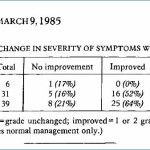
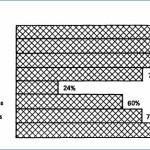
The Lancet, 9;1(8428):540-5. Egger, Carter, Graham, Gumley, & Soothill 62 of 76 (81.6%) overactive children improved by at least one grade level on an oligoantigenic (few foods) diet. Benzoic acid and tartrazine (Yellow 5) were the most common problems, but all … Continue reading
This gallery contains 2 photos.
Nutrition and Health. 1984; 3(1-2): 39-54. Menzies reviews the existing literature and presents a number of case studies of children with idiosyncratic responses to foods and additives. QUOTE: “Perhaps not enough attention has been paid to the role of biological … Continue reading

This gallery contains 1 photo.
Lancet, 1983. Oct 15;2(8355):865-9. Egger, Carter, Wilson, Turner, & Soothill 93% of 88 children with severe frequent migraine recovered on an oligoantigenic (few foods) diet. 40 of them were challenged with various foods in a double-blind test, establishing that it … Continue reading

This gallery contains 1 photo.
Journal of Learning Disabilities, 1983. Jun-Jul;16(6):319-23. Mattes gives his opinion that improvement on the Feingold diet is “based on anecdotal evidence;” he claims that the studies show the diet “is probably not effective, except perhaps in a very small percentage … Continue reading

This gallery contains 2 photos.
Ecology of Disease, 1982. 1(2-3):153-65 QUOTE:The increase in behavioural disorders accompanied by a persistent drop in scholastic performance coupled with the continuing rise in the prevalence of delinquency is undoubtedly one of the most important expressions of the disruption of … Continue reading

This gallery contains 1 photo.
Neurobehavioral Toxicology and Teratology, 1982. Jan-Feb;4(1): 43-9. Goldenring, Batter & Shaywitz Goldenring studied the effects of giving sulfanilic acid to rat pups. He chose this chemical because it is formed when azo food dyes are digested. He gave the sulfanilic acid … Continue reading

This gallery contains 2 photos.
International Journal of Neuroscience, 1982. May;16(3-4):241-246 QUOTE: “… The physiological measures [EEG and heart rate] were obtained prior to and following the ingestion of drinks containing food additives or placebos, which were administered in a double-blind, randomized, crossover procedure. … … Continue reading
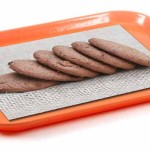
This gallery contains 2 photos.
Mattes & Gittelman, Archives of General Psychiatry. 1981. June; 38(6): 714-8 Mattes claimed he tried to maximize the behavioral effects of artificial food dyes by (1) studying only children already on the Feingold diet, (2) trying to exclude placebo responders, … Continue reading

This gallery contains 2 photos.
Science, March 28, 1980, Vol. 207. pp.1485-7 QUOTE: “The performance of the hyperactive children on paired-associate learning tests on the day they received the dye blend was impaired relative to their performance after they received the placebo, but the performance … Continue reading

This gallery contains 1 photo.
Science, 1980. March 28;207 (4438): 1487-9. QUOTE: ”Twenty-two young children, maintained on a diet that excluded certain foods, were challenged intermittently with a blend of seven artificial colors in a double-blind trial. Parents’ observations provided the criteria of response. One … Continue reading

This gallery contains 2 photos.
The Journal of Pediatrics. 1979. June; 94(6):944-5 Trying to find a reason why some children respond well to the Feingold Diet and others don’t, Brenner measured copper and zinc levels in the blood of 20 children who had responded well … Continue reading
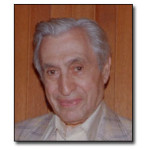
This gallery contains 2 photos.
International Journal of Offender Therapy and Comparative Criminology, 1979. Vol 23(1) 73-84. QUOTE: “This disenchantment with present-day rehabilitation techniques prompted the Ford Foundation in its annual report for 1977 to recommend that the role in delinquency of biochemical and organic … Continue reading

This gallery contains 2 photos.
Science. 1979. July 27; 205 (4404): 410-2. Lafferman found that erythrosin B [Red 3] given to rats prevents the uptake of dopamine (the “feel good” neurotransmitter) by nerve cells in the brain called the caudate synaptosomes. This is consistent with … Continue reading

This gallery contains 2 photos.
Neurobehavioral Toxicology, 1979. Spring;1(1):41-7. (Today called Neurotoxicology and Teratology) In a study on rat pups, the highest dose of food dyes caused the greatest activity. Even after a half hour, the pups only calmed down by 7.25% — while the … Continue reading

This gallery contains 1 photo.
Medical Journal of Australia, 1978 Dec 2;2(12):548, 569-70. Dumbrell, Woodhill, Mackie & Leelarthaepin The Feingold diet, as used in Australia, was found to be nutritionally superior to a “normal” diet, and pronounced safe to use. MedLine

This gallery contains 1 photo.
Medical Journal of Australia, 1978. Dec 2;2(12):570-2. Fitzsion, Holborow, Berry & Latham To test for reactions to salicylate, 12 children who had been on the Feingold diet for about a year were challenge-tested with 40 mg of acetylsalicylic acid (aspirin) in … Continue reading
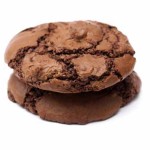
This gallery contains 2 photos.
Psychopharmacology Bulletin, 1978. April; 14(2):39-40. Goyette, Conners, Petti, & Curtis Goyette et al performed two studies: Experiment One: 16 children were put on the diet and were much improved according to both parents and teachers. Then they were challenged … Continue reading

This gallery contains 2 photos.
Pediatrics, 1978. Jun;61(6):818-28 In a double-blind diet study in which all food was provided for a “Feingold Diet” and a “control diet,” parents of 63% of the 36 school-age children and 100% of the 10 preschool children reported improved behavior … Continue reading

This gallery contains 2 photos.
Journal of the American Dietetic Association, 1978 Nov;73(5):515-9 Harper calculated the nutrient intake of 54 children before and on the Feingold diet. They were as good or better than the Recommended Dietary Allowances (RDA) — in other words, the … Continue reading
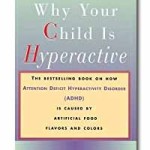
This gallery contains 2 photos.
New Zealand Medical Journal, 1978. Jul 26;88(616):43-5. QUOTE: “Ten hyperkinetic children have been treated with the [Feingold] diet, five of whom improved dramatically and are now off all other therapy. Their response to accidental and deliberate challenge supports the hypothesis … Continue reading
This gallery contains 1 photo.
Medical Journal of Australia, 1978. Jan 28;1(2):61-4 In this double-blind study of 22 hyperactive children, Levy put them on an elimination diet for four weeks and then challenged them with Yellow 5. She reported that their improvement in the first … Continue reading
This gallery contains 2 photos.
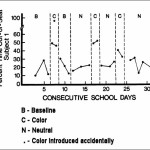
Journal of Applied Behavior Analysis 1978 Winter; 11(4):439-46 This was a double-blind study on two girls who had been on the Feingold diet for almost a year. Trained observers watched them in school and reported on the frequency of the … Continue reading
This gallery contains 1 photo.
Pediatrics. 1978 Jun;61(6):811-7. 26 hyperactive children were given a “modified” Feingold diet in which artificial food dyes and flavorings were eliminated, but not preservatives or salicylates. They were then challenged in four ways: Cookie with 13 mg food dyes + … Continue reading
This gallery contains 2 photos.
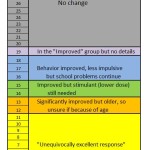
Clinical Pediatrics (Phila) 1977 Jul;16(7):652-6 (Case studies) When 32 hyperactive children Dr. Brenner had been treating medically for years were given the Feingold diet, 11 of them — 34.3% — “markedly improved.“ Another 2 improved as much but were older, … Continue reading

This gallery contains 2 photos.
Journal of the American Society for Preventive Dentistry, 1977 Jan-Feb;7(1):13-5. QUOTE: “The presence of food additives in products used in dental procedures may have serious consequences for many patients. Hyperactivity and learning disabilities as well as buccal, gingival and … Continue reading

This gallery contains 2 photos.
Speech to American Academy of Pediatrics, New York Hilton Hotel, November 8, 1977. QUOTE: ”Recognizing that any compound under the appropriate conditions can induce adverse reactions, including behavioral disturbances, it becomes necessary to evaluate each compound or class of compounds … Continue reading
This gallery contains 1 photo.
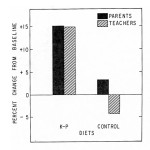
Pediatrics, 1976 Aug;58(2):154-66. Conners, Goyette … Andrulonis In a double-blind crossover study, 15 children were given a control diet and the “K-P” (Feingold) diet eliminating artificial flavors, colors, and natural salicylates. QUOTE: “Both parents and teachers reported fewer hyperkinetic symptoms … Continue reading

This gallery contains 1 photo.
Medical Journal of Australia. 1976 Jul 17;2(3):85-8, 90. Cook & Woodhill In Australia, 15 children were given the Feingold diet. Parents of 13 of them (87%) reported improvement in their children’s behavior and a relapse upon eating off-diet items. MedLine|| … Continue reading

This gallery contains 2 photos.
Feingold76Journal of Learning Disabilities, 1976. Vol.9(9) pp.19-27 Dr. Feingold reviews the historical background of hyperkinesis (hyperactivity) and learning disabilities, and discusses the food additives. He explains the importance of artificial food dyes and flavors. MedLine || Full Text

This gallery contains 2 photos.
Medical Journal of Australia 1976 Aug 14;2(7):248-51 Thirty-one children with behavioural problems and learning difficulties were allergy tested … 15 of them were given the Feingold diet (then called the KP Diet). Ninety-three per cent (93%) responded with improved behaviour … Continue reading

This gallery contains 2 photos.
Journal of Learning Disabilities, November 1976 vol.9 no.9 p.560-569 Spring reviewed the few studies available at that time and concluded that there was no “epidemic” of hyperactivity in the 1970s because a particular WISC reading score average was higher in … Continue reading

This gallery contains 2 photos.
The American Journal of Nursing, 1975 May;75(5):797-803. QUOTE: “… It is important to recognize that this entire behavioral pattern is beyond the child’s voluntary control. He does not choose to be a failure nor does he want to be bad. … Continue reading
This gallery contains 2 photos.
57,619 more signatures are needed to make it to 150,000 signatures. Tell the FDA to Ban Harmful Synthetic Food Dyes A number of studies – and an emerging scientific consensus – demonstrate that some children experience episodes of inattention, hyperactivity, … Continue reading

This gallery contains 2 photos.
Seeing Red: Time for Action on Food Dyes was published in January by the Center for Science in the Public Interest (CSPI). This outstanding paper explains why children continue to be exposed to and harmed by food dyes and other … Continue reading